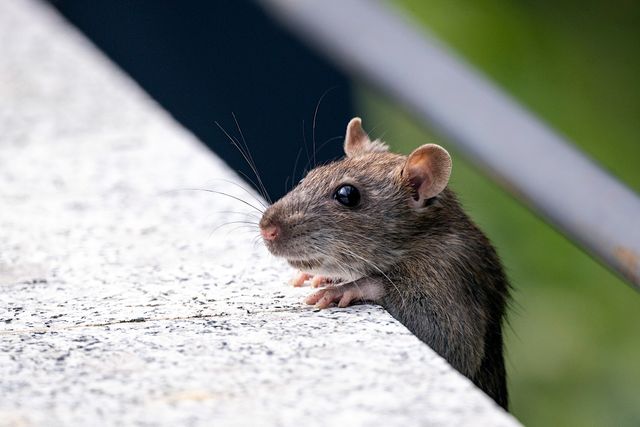
Roof rats — also known as black rats or ship rats — are agile climbers that enter homes from above. Unlike the more common Norway rat, which burrows at ground level, roof rats travel along tree branches, power lines, and fences to reach your roofline. They nest in attics, soffits, and ceiling voids, and they can cause significant damage to insulation, wiring, and stored items. Preventing attic infestations requires a top-down exclusion strategy.
How Roof Rats Reach Your Attic
Roof rats are exceptional climbers. They ascend textured walls, brick facades, downspouts, and utility poles with ease. Tree branches that overhang or touch your roofline provide a direct bridge. Once on the roof, rats exploit gaps at the roofline, damaged soffit vents, uncapped chimneys, and openings where plumbing vents exit the roof. Any gap larger than a quarter — about the size of a nickel — is large enough for a roof rat to squeeze through.
While you’re addressing the roofline, don’t neglect ground-level entry points. rodent-proof foundation vents covers the complementary exclusion work that prevents Norway rats and mice from entering below while you’re sealing the roof against climbers.
Exclusion Strategy for Your Roofline
Trim Overhanging Branches
Cut back any tree branches that come within six feet of your roofline. Roof rats can jump horizontally up to four feet, so a three-foot clearance isn’t enough. This single step removes the most common access route. Trim ivy, climbing vines, and dense shrubs away from exterior walls as well — these provide climbing pathways.
Seal Soffit and Eave Gaps
Inspect the junction between your soffit panels and the fascia board. Over time, these connections loosen, creating gaps. Use galvanized steel mesh or hardware cloth (quarter-inch grid) to cover soffit vents while maintaining airflow. Replace any rotted or damaged fascia boards, as these create openings that rats exploit.
Cap Chimneys and Roof Vents
Install a chimney cap with mesh screening to prevent rat entry from above. Check all plumbing vent pipes on the roof — rats can climb down these pipes into wall cavities. Vent pipe guards (metal sleeves that fit over the pipe) block entry while maintaining ventilation. Inspect turbine vents, ridge vents, and gable vents for gaps or damaged screens.
Repair Roof Damage Promptly
Missing shingles, gaps in flashing, and deteriorated roof edges all provide entry points. Roof rats are opportunistic — they don’t create openings but readily exploit existing damage. Addressing deferred roof maintenance is both a pest prevention measure and a home value preservation strategy.
Attic Sanitation After an Infestation
If roof rats have been nesting in your attic, exclusion alone isn’t sufficient. Rat droppings, urine, and nesting materials contaminate insulation and create health hazards. After excluding the rats, remove contaminated insulation, sanitize affected surfaces with an enzyme-based cleaner, and replace insulation. Wear appropriate respiratory protection during cleanup — dried rat urine and droppings can transmit hantavirus.
Signs of an active infestation include scratching noises at night, grease marks on rafters, and gnaw damage on stored items. If you’re hearing noises inside walls rather than in the attic, the issue may have progressed further — signs of rodents behind walls covers how to identify and address rodent activity in wall cavities.
Monitoring for Roof Rat Activity
After completing exclusion work, set snap traps or monitoring stations in the attic to verify that no rats remain inside. Place traps along rafters and near any previous nesting sites. Check traps weekly for at least two months after exclusion is complete. Combine this roof-level monitoring with ground-level checks — mouse-proof your garage addresses the complementary entry points that other rodent species use.
Prevention Checklist
Trim all tree branches to maintain six feet of clearance from the roofline
Cover soffit vents with quarter-inch galvanized steel mesh
Install chimney caps and plumbing vent pipe guards
Repair any damaged shingles, flashing, or fascia boards
Remove ivy and climbing vines from exterior walls
Set attic monitoring traps and check weekly
Inspect roofline exclusion work annually before fall