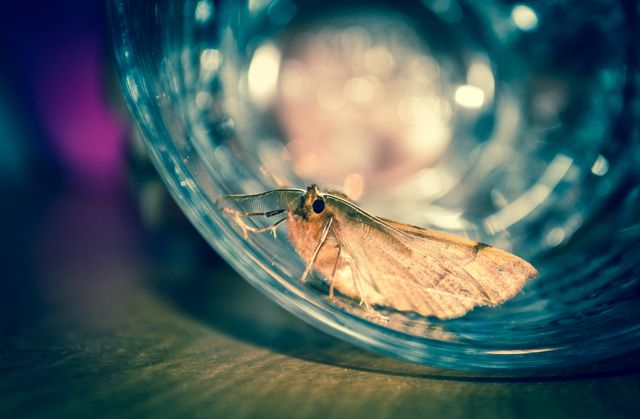
Discovering tiny moths fluttering around your kitchen is more than an annoyance — it signals that Indian meal moths or Mediterranean flour moths have already laid eggs in your dry goods. These pests can infest flour, rice, cereal, nuts, dried fruit, pet food, and birdseed. A single female lays up to 400 eggs, so quick action prevents a small sighting from becoming a full-blown kitchen infestation.
How Pantry Moths Enter Your Home
In most cases, pantry moths arrive inside products you purchase from the grocery store. Eggs or larvae can already be present inside sealed packaging before you bring the item home. Bulk food bins at grocery stores are a particularly common source. Moths can also fly in through open windows and doors, though store-bought contamination is the primary vector in residential settings.
Once established in your pantry, these pests are surprisingly mobile. They’ll lay eggs in any available food source, and the larvae can chew through thin cardboard and plastic packaging. This kind of persistent home invasion shares a pattern with other entry-point pests — learning to
seal entry points against spiders uses a similar philosophy of sealing and excluding.
Step-by-Step Elimination Process
1. Inspect and Discard Contaminated Items
Remove every item from your pantry shelves. Examine each package carefully for webbing, small larvae (they look like tiny off-white caterpillars), or clumping in dry goods. When in doubt, throw it out. Place discarded items in sealed trash bags and remove them from the house immediately — don’t leave them in your kitchen trash can.
2. Deep Clean All Shelves
Vacuum every shelf, corner, crack, and crevice of your pantry. Pay close attention to shelf liner edges and bracket holes where larvae often pupate. After vacuuming, wipe all surfaces with a solution of warm water and white vinegar. The acidity disrupts moth pheromone trails and kills any remaining eggs on contact.
3. Transfer Dry Goods to Airtight Containers
Replace cardboard boxes and paper bags with glass or thick plastic airtight containers. This creates an impenetrable barrier that prevents moths from accessing food and stops any undetected eggs from spreading to other items. Label containers with purchase dates so you can rotate stock and identify older items.
4. Deploy Pheromone Traps
Pantry moth pheromone traps use a sticky surface infused with synthetic female moth pheromones. Male moths are attracted to the traps and get stuck, breaking the breeding cycle. Place one or two traps inside your pantry. These traps also serve as a monitoring tool — if you’re catching moths regularly, the infestation isn’t fully resolved yet.
5. Freeze Susceptible New Purchases
For the first few months after treatment, freeze all new dry goods for 72 hours before storing them in your pantry. Freezing kills any eggs or larvae that may have been present in the packaging at the store. This simple precaution prevents re-infestation and gives you peace of mind.
Connecting Pantry Pest Control to Whole-Home Prevention
Pantry moths are just one of several pests that target organic materials inside your home. The same fabrics and natural fibers that attract moths also attract carpet beetles — read more about how to
eliminate carpet beetles to protect clothing, rugs, and upholstered furniture.
If you’re dealing with pests in the kitchen, it’s worth checking other areas too.
keep mice out of kitchen cabinets addresses a common co-occurring issue, since food crumbs and unsealed packages attract both insects and rodents.
Prevention Checklist
- Store all dry goods in glass or heavy-duty airtight containers
- Freeze new purchases for 72 hours before pantry storage
- Wipe pantry shelves with vinegar solution monthly
- Maintain one to two pheromone traps as ongoing monitors
- Inspect bulk purchases immediately after bringing them home
- Rotate food stock and discard items past their expiration date
With consistent monitoring and proper storage, pantry moths can be permanently eliminated. The key is breaking the lifecycle by removing food sources and using traps to catch any remaining adults before they reproduce.